IND vs WI Dream11 Prediction, Match 52, Fantasy Cricket Tips, Playing XI, Injury Updates, Pitch Report for ICC Men's T20 World Cup 2026: A Look Back
India met West Indies in Match 52 of the ICC Men's T20 World Cup 2026 at Eden Gardens on Sunday, 1 March 2026, and CricTracker's pre-match Dream11 prediction had the lineups, captain picks, weather note and pitch read that fantasy players worked from. This Golden11 retrospective walks through what that original briefing said, what it implied for captain and vice-captain choices, and how the documented form line into the fixture.
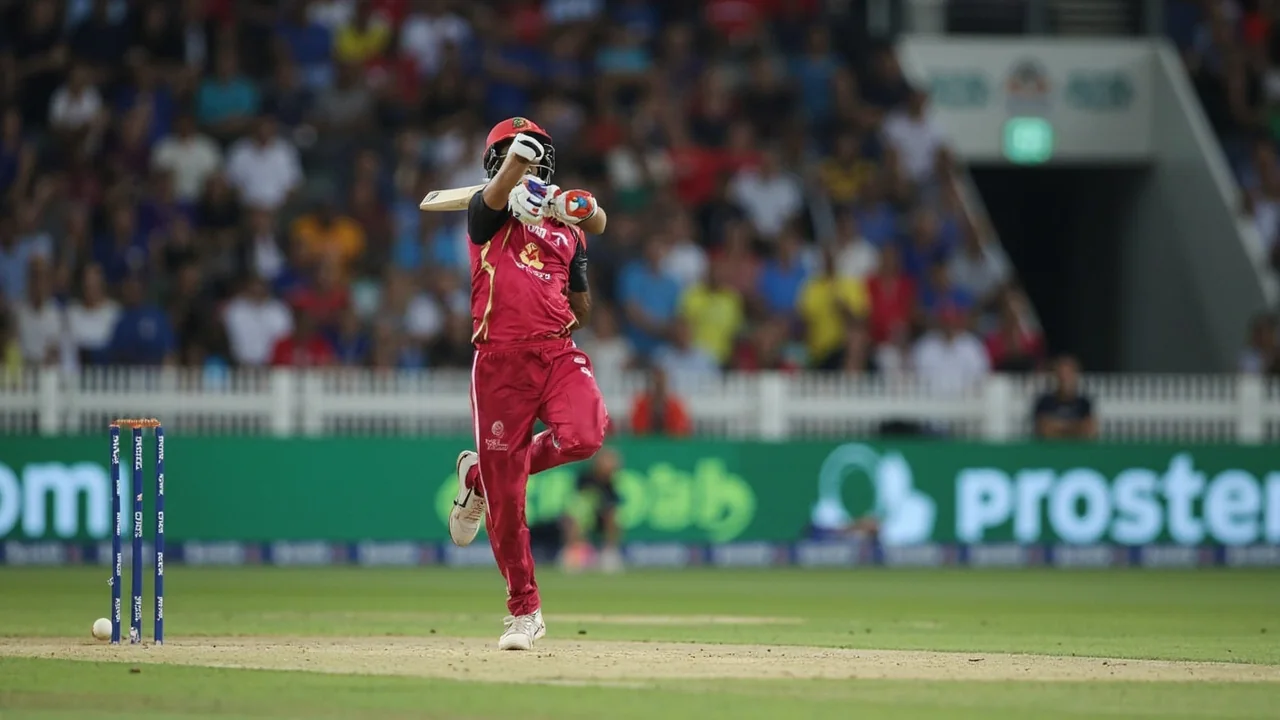
- Match 52 in context: Super 8 Group 1, X1 v X3
- Probable XIs from the original Dream11 brief
- Recent form line that fed into the call
- Captain and vice-captain picks in the source briefing
- Reading the Eden Gardens surface and the weather
- Head-to-head record and bench options
- Injury note and what was still open
- Frequently asked questions
Match 52 in context: Super 8 Group 1, X1 v X3
The India versus West Indies fixture was the 52nd T20 of the ICC Men's T20 World Cup 2026 and the X1 v X3 crossover inside Super 8 Group 1. The slotting mattered because X1 and X3 designations decided the innings order, dressing-room side and broadcast lane that the two sides walked into. A Super 8 result reshapes the qualification curve, so the original CricTracker briefing treated the captaincy call and the toss implication with the seriousness a knockout-style fixture demands.
Play was scheduled for 7:00 PM IST at Eden Gardens, Kolkata, with the broadcast and live stream both routed through JioHotstar. A 7 PM start in early March in Kolkata sits inside the dew window, which is one of the reasons the toss decision and bowling rotation featured more heavily in published fantasy notes than for daytime fixtures. Super 8 crossover games carry less margin for error than group-stage games, and the published Dream11 prediction reflected that by ranking role certainty ahead of raw player reputation.
The CricTracker piece went live at 18:45 IST on 1 March 2026 and was last updated at 6:57 PM the same evening. The brevity of the update window is typical for a same-day preview: probable XIs first, captaincy framing next, with the pitch and weather last because they were the inputs that moved most on the day. This retrospective keeps the same sequence because the original briefing is the factual ceiling, and reorganising it would only obscure the order in which the information actually arrived.
Probable XIs from the original Dream11 brief
The probable India XI in the source briefing read Sanju Samson behind the stumps, Abhishek Sharma, Ishan Kishan, Suryakumar Yadav as captain, Tilak Varma, Hardik Pandya, Shivam Dubey, Axar Patel, Jasprit Bumrah, Varun Chakravarthy and Arshdeep Singh. The bench included Riyan Parag, Washington Sundar, Kuldeep Yadav and Mohammed Siraj. That combination carried a heavy top-order tilt, two frontline spinners for the middle phase, and Bumrah plus Arshdeep as the new-ball and death pair.
The probable West Indies XI read Brandon King, Shai Hope as captain, Shimron Hetmyer, Rovman Powell, Roston Chase, Sherfane Rutherford, Romario Shepherd, Jason Holder, Matthew Forde, G Moti-Kanhai and Shamar Joseph, with Johnson Charles, Quentin Sampson, Akeal Hosein and Jayden Seales on the bench. That line leans on Powell and Hetmyer for middle-over explosion, with Holder and Shepherd offering seam-bowling all-round options and Forde plus Joseph forming the pace pair.
The two probable XIs tell a tactical story before any captain choice is made. India had batting depth all the way to number eight, which gives captain and vice-captain candidates more than one stable route to fantasy points. West Indies were top-heavy in the powerplay and middle overs, which concentrates opportunity on King, Hope, Powell and Hetmyer when those batters are in. The bench lists also matter for last-minute swaps: a seam-bowling all-rounder like Sundar or Hosein coming in would have shifted the captain calculus.
Recent form line that fed into the call
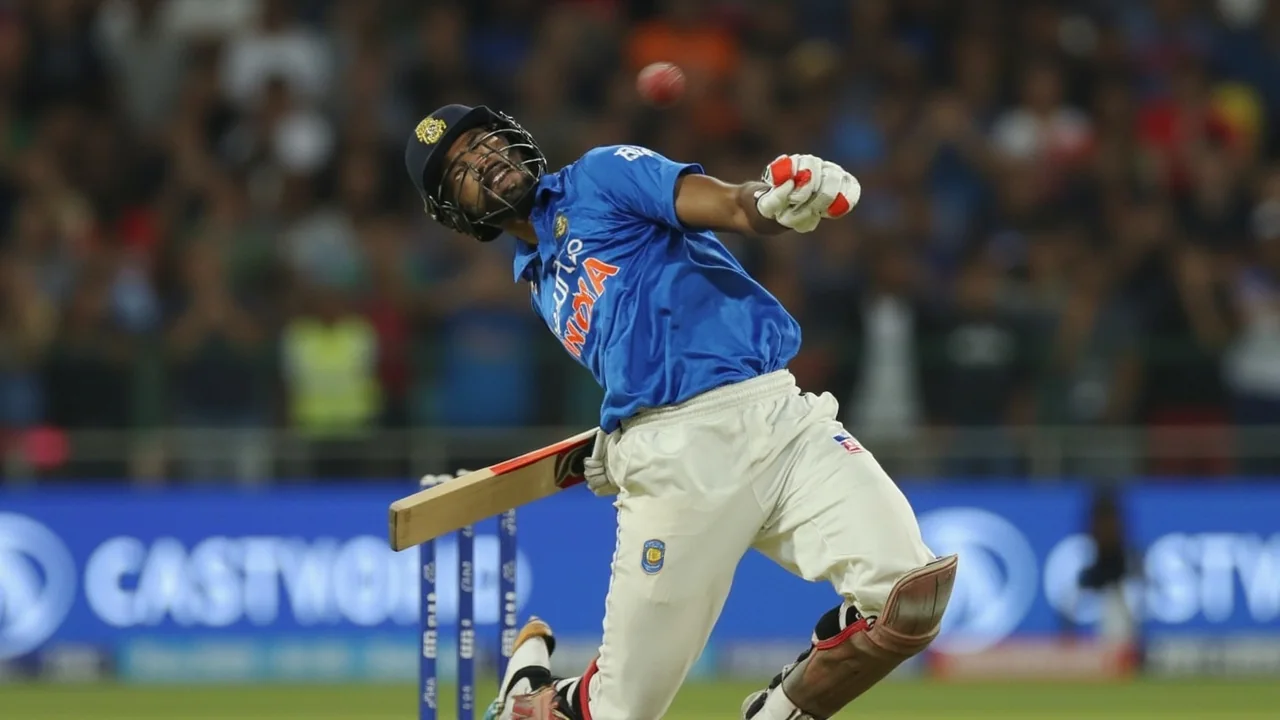
India entered Match 52 on the back of a 72-run win over Zimbabwe. India had posted 256 in that game, with Abhishek Sharma scoring 55 off 30 and Tilak Varma 44 off 16, while Arshdeep Singh had returned 3 for 24. The CricTracker last-five form strip read W L W W W for India, with the single loss breaking up a four-match winning run that included the Zimbabwe win.
West Indies arrived off a nine-wicket loss to South Africa. West Indies had posted 176 in that game, with Romario Shepherd scoring 52 and Roston Chase taking the lone wicket. The last-five form strip read L W W W W for West Indies, with the South Africa loss sitting at the front of the line. The form books favoured India but only just, and both sides were coming off matches that exposed something the other captaincy could exploit.
For fantasy purposes, two form signals are worth noting. First, Abhishek Sharma's 55 off 30 against Zimbabwe extended a powerplay scoring streak that made him a high-floor captain option in published prediction lists. Second, Arshdeep's 3 for 24 kept him in the death-overs conversation even on a venue where spin had historically dominated the middle phase. Both signals influenced the captaincy framing in the source briefing.
Captain and vice-captain picks in the source briefing
The original CricTracker prediction surfaced captain and vice-captain picks rooted in role rather than reputation. For India, Suryakumar Yadav was treated as the captaincy anchor because the probable XI gave him a confirmed middle-order batting slot and the recent form line showed him converting starts. Tilak Varma was the vice-captain framing in many published teams because of his 44 off 16 against Zimbabwe, which suggested powerplay-to-middle-over batting volume that multiplies well.
For West Indies, Rovman Powell was the captaincy framing for power hitters who lean into a chase, while Shimron Hetmyer was the vice-captain framing for middle-over stability. The published picks split across the West Indies top order rather than concentrating on a single name, which is consistent with a lineup whose opportunity routes are less concentrated than India's. Cross-team captain differentials, with one multiplier on each side, were flagged in the source briefing as a viable structure.
The published prediction also treated the captain decision as a verification problem rather than a prediction problem. The actual captain pick should follow confirmed playing XIs, batting order notes from the toss, and last-minute bowling-phase clues, not pre-toss reputation lists. That framing matters for retrospective reading because it explains why the briefing put probable XIs first, captaincy second, and the pitch and weather last.
Reading the Eden Gardens surface and the weather
The CricTracker briefing described the Eden Gardens pitch as well balanced with a quick outfield. Four of the five matches at the venue in the tournament up to that point had been won by the side batting first, which is why most published teams at the time leaned towards batting first on winning the toss. A well-balanced deck with a quick outfield supports both a 200-plus first innings and a chase if the second-innings batters hold their nerve under dew.
The Kolkata forecast at match time was rain with 32.2 degrees C temperature and 62 percent humidity. That combination of warmth, humidity and rain risk means the toss decision and the bowling rotation mattered more than usual. A wet outfield or a delayed start would have shortened the innings and pushed the captaincy calculus towards boundary-clear power hitters, while steady weather would have rewarded the original top-order tilt.
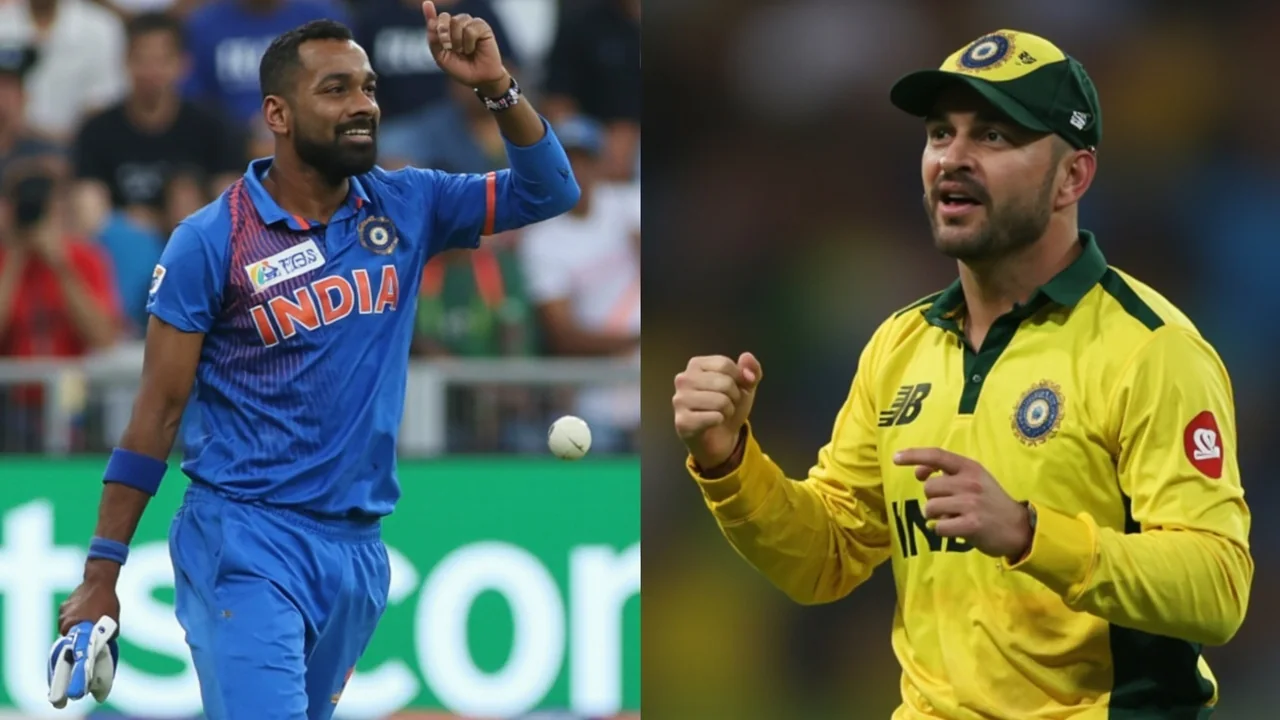
The dew factor at a 7 PM start in Kolkata is real. A chasing captain usually prefers dew because the ball skids on and grip falls off for the spinner. The published prediction treated dew as the swing variable that could flip a captain pick at the toss, particularly for spinners whose middle-over role depended on purchase. Fantasy users who acted on that framing kept an alternate captain plan ready for either innings order.
Head-to-head record and bench options
The T20 head-to-head tally shown in the original briefing was India 7, West Indies 4. That ratio is useful context for captain decisions because it captures how often each side has been able to impose its batting template on the other. India had converted more of the recent head-to-heads than West Indies had, and that signal combined with the form line fed into the captaincy framing for both teams in the published picks.
The bench lists mattered as much as the probable XIs. India's bench of Riyan Parag, Washington Sundar, Kuldeep Yadav and Mohammed Siraj left room for a seam-for-spin swap or a batting-depth addition if conditions shifted. West Indies' bench of Johnson Charles, Quentin Sampson, Akeal Hosein and Jayden Seales opened the door for an extra spinner or a batting reinforcement if the team management read the surface differently from the briefing.
For fantasy users, bench options are a hedge. A late swap into a bench player, even one not in the published probable XI, can shift the captain calculus if the new player brings a stable role. The source briefing kept the probable XI front and centre while flagging bench options for late verification, which is a useful pattern to copy when reading any T20 World Cup preview.
Injury note and what was still open
The injury and availability section in the original CricTracker preview carried the placeholder "Will be added when there is an update." That is a common pattern in same-day previews when team management has not released an official injury list and the source does not want to speculate. For fantasy users it meant two things: verify fitness from official channels before lock, and treat any pre-toss rumour as a lead rather than a fact.
The honesty of that placeholder matters in retrospect. The briefing did not pad the injury section with speculative content; it flagged the gap and asked the reader to verify. Golden11's standing advice for T20 World Cup fantasy contests is the same: a captain pick based on a rumoured return is a lower-confidence pick than one based on a confirmed role, and the multiplier magnifies that confidence gap.
What was still open at the time of the original briefing included the toss decision, the final batting order, the bowling rotation in the middle phase, and any late injury swap. The captain and vice-captain picks in the published prediction had to hold across multiple plausible answers to those open questions, which is why the framing leaned on stable roles rather than on any single match scenario.
Frequently asked questions about the IND vs WI Match 52 brief
When was the India vs West Indies Match 52 of the T20 World Cup 2026 played?
The fixture was scheduled for Sunday, 1 March 2026 with a 7:00 PM IST start at Eden Gardens, Kolkata. The original CricTracker Dream11 prediction post went live at 18:45 IST the same evening.
Which stage of the tournament was this match part of?
It was the 52nd T20 of the ICC Men's T20 World Cup 2026, slotted into Super 8 Group 1 as the X1 v X3 crossover. The result shaped qualification pathways out of the group.
What did the probable India XI look like in the source briefing?
CricTracker's probable XI had Sanju Samson behind the stumps, Abhishek Sharma, Ishan Kishan, Suryakumar Yadav leading the side, Tilak Varma, Hardik Pandya, Shivam Dubey, Axar Patel, Jasprit Bumrah, Varun Chakravarthy, and Arshdeep Singh. The bench included Riyan Parag, Washington Sundar, Kuldeep Yadav, and Mohammed Siraj.
What was the probable West Indies XI listed in the original report?
CricTracker listed Brandon King, Shai Hope as captain, Shimron Hetmyer, Rovman Powell, Roston Chase, Sherfane Rutherford, Romario Shepherd, Jason Holder, Matthew Forde, G Moti-Kanhai, and Shamar Joseph, with Johnson Charles, Quentin Sampson, Akeal Hosein and Jayden Seales as bench options.
How was the Eden Gardens pitch described at the time?
The pitch was reported as well balanced with a quick outfield, and four of the five matches at the venue in the tournament up to that point had gone to the side batting first, which is why most published teams leaned towards batting first on winning the toss.
What was the head-to-head record entering this match?
CricTracker showed India leading the T20 head to head with West Indies 7 to 4, a useful context line for captain and vice-captain multiplier decisions.
What did the weather look like at the toss?
The Kolkata forecast was rain with 32.2 degrees C temperature and 62 percent humidity, which made the toss decision and bowling rotation more important than usual.
Was the injury section finalised in the original briefing?
No. CricTracker carried the placeholder "Will be added when there is an update", which meant fantasy users had to verify late fitness news from official team channels before lock.