India Name Injury Replacements for the England ODI Series and Zimbabwe T20I Tour (12 July 2026)
On 12 July 2026, India's selectors moved quickly to stabilise a white-ball block that had taken two injuries inside a single T20I against England. Harshit Rana was ruled out of the ODI series with a Grade 1 right-hamstring strain, Varun Chakaravarthy was ruled out of the Zimbabwe T20I tour with a Grade 2 left-hamstring injury, and Prince Yadav plus Ravi Bishnoi were called up to plug the gaps. This Golden11 retrospective walks through what was confirmed, what was left undecided, and what Indian fantasy readers should still keep on their watchlist.
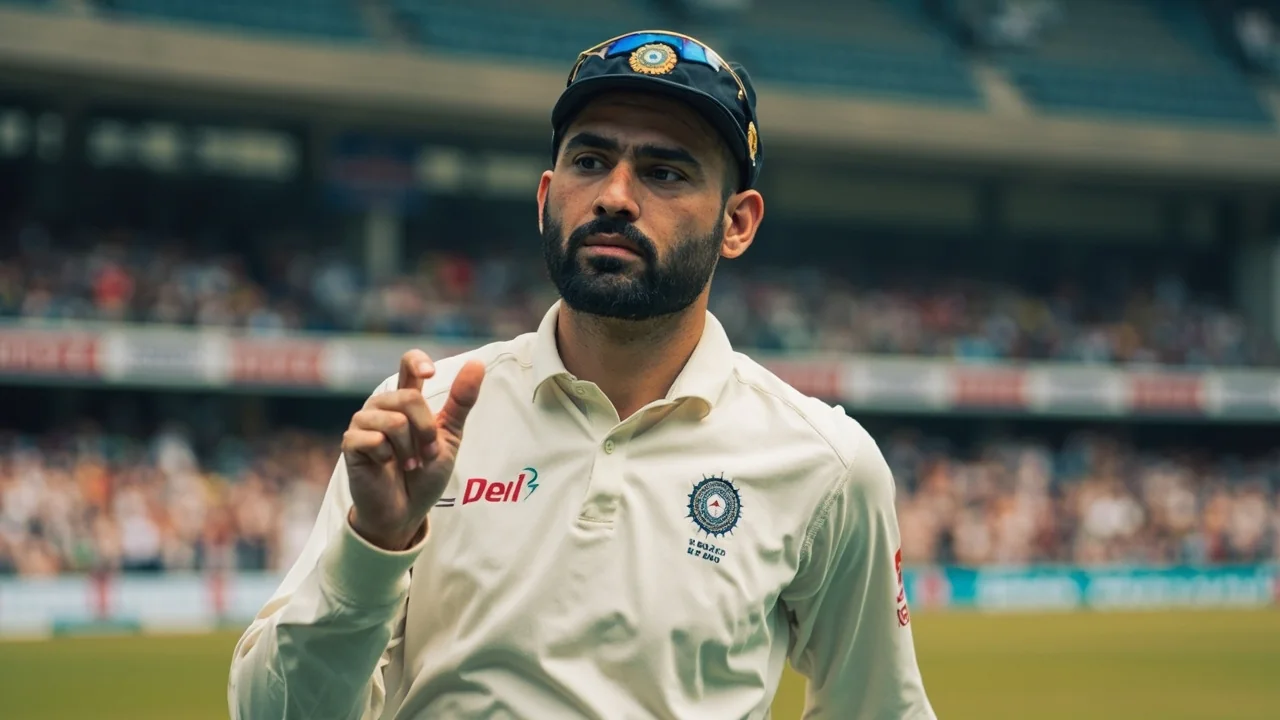
What was confirmed on 12 July 2026
The headline news on the day was a tightly scoped squad reshuffle rather than a wholesale rebuild. India's selectors pulled in Prince Yadav as a like-for-like seam-bowling replacement for Harshit Rana across both the ODI squad heading into the England series and the wider T20I group that would fly to Zimbabwe next. Ravi Bishnoi, the leg-spinner who has spent much of the year on the fringes of the T20I side, was added to the T20I squad specifically to cover for Varun Chakaravarthy. The call-ups were framed as medical replacements, not selection experiments.
Both injured bowlers were asked to report to the BCCI Centre of Excellence for assessment and further management. The phrase "report to the Centre of Excellence" has become shorthand in Indian cricket for an injury that the team wants contained, monitored, and rehabbed by BCCI staff rather than left to the player's IPL franchise or home association. Reading that phrase as anything less than significant overstates the optimism in the press release; reading it as career-threatening overstates the concern. The honest read sits in the middle: enough to step away from international cricket for the moment, not enough to rule out a return later in the season.
For readers who came to this story late, the throughline is simple. Two bowlers went down inside the same fixture, both with hamstring injuries, both to the same leg on the same day, and both pulled out of different formats on different timelines. The selection response was therefore split across formats, with Yadav doing double duty and Bishnoi holding the T20I spin slot.
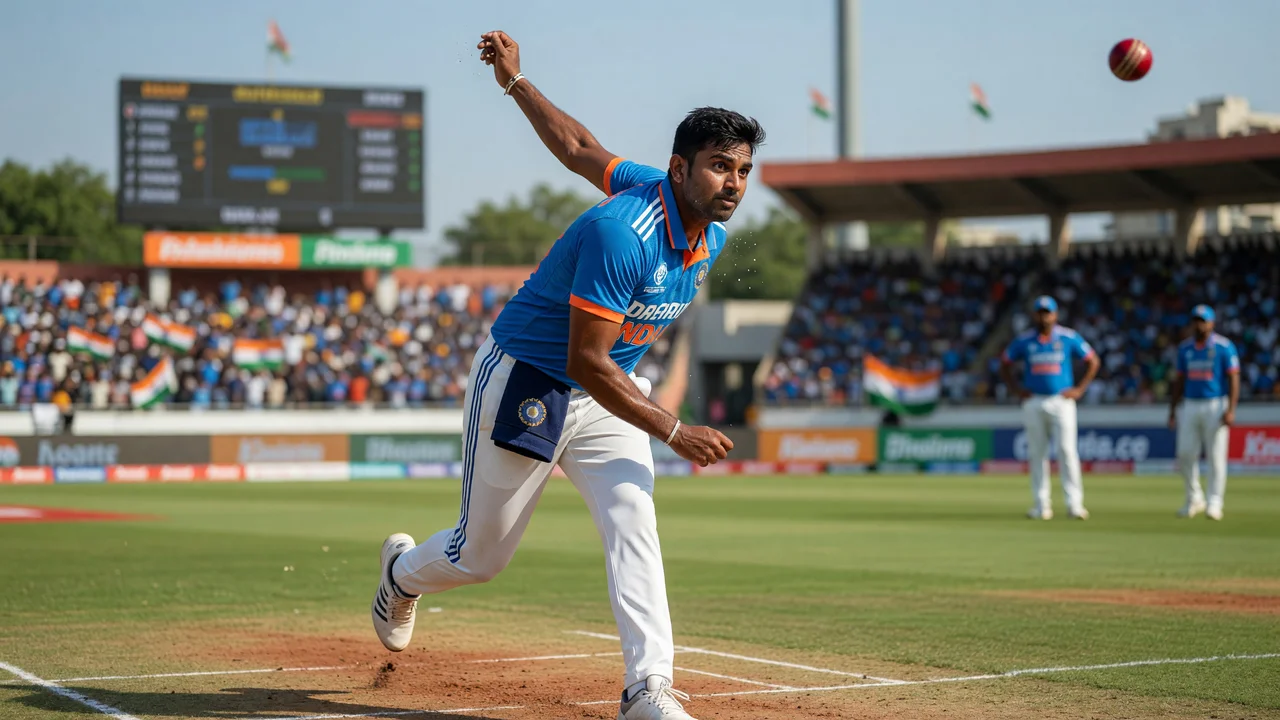
The Rana injury and the Prince Yadav replacement
Harshit Rana felt discomfort in his right hamstring during the third T20I of the ongoing India-England series, and subsequent scans confirmed a Grade 1 strain. The BCCI's medical update flagged him out of the ODI series against England and pointed him toward the Centre of Excellence for further assessment and management. There was no announced return date, and the language of the brief was deliberately conservative: a Grade 1 strain is the lower end of the strain spectrum, but in a fast bowler's running leg it has to be managed rather than ignored.
Prince Yadav's call-up was the predictable answer. He offers right-arm pace, a high-action approach that Indian staff have been comfortable with in recent seasons, and a profile similar enough to Rana's that the selectors could keep their XI balance intact. He was named in the ODI squad and was also added to the T20I squad, which gave the team two cover options: one bowler who could slot into the England ODI plans, and one who could travel to Zimbabwe with the T20I group a few weeks later. Whether Yadav plays both formats on the same tour or only one depends on how the ODI leg unfolds.
What this means for fantasy readers is a value pick rather than a captaincy move. Yadav is unlikely to walk straight into the playing XI for an ODI against England if the existing seamers are fit; he is more likely to debut in a Zimbabwe T20I where India can rotate the attack and give new names a longer run. Keep him on the watchlist, watch the playing XI at the toss, and only lock him in when the team sheet confirms his role.
Chakaravarthy's MRI and the Bishnoi recall
Varun Chakaravarthy reported left-hamstring discomfort during the same third T20I against England, and an MRI confirmed a Grade 2 injury. That grade is a step more serious than Rana's, and the brief made the consequence explicit: Chakaravarthy was ruled out of the T20I series against Zimbabwe on specialist medical advice, with the same Centre of Excellence pathway for rehab. A Grade 2 hamstring strain typically means several weeks on the sidelines rather than days, which is why the selectors moved straight to a permanent T20I replacement rather than a short-term cover.
Ravi Bishnoi is the natural fit. He is an attacking leg-spinner, he has prior international exposure, and his role as a middle-overs wicket-taker is closer to Chakaravarthy's match-up value than any finger-spin option would be. Bishnoi's recall should not be read as a permanent reshuffle of India's T20I spin hierarchy; it is a cover slot for one specific tour. If he performs in Zimbabwe, that opens a genuine selection debate for the next bilateral. If he struggles, the conversation reverts to Chakaravarthy's rehab timeline.
For fantasy readers, Bishnoi is the more interesting short-term move than Yadav. A leg-spinner who walks into the T20I XI ahead of the Zimbabwe series is a captaincy candidate on surfaces that turn, and he is unlikely to be priced as a star pick in any contest. Watch the venue list first, watch the playing XI second, and treat the first T20I as a calibration game rather than a finished read.
Why both injuries landed on the same day
The fact that two Indian bowlers from the same starting XI reported hamstring discomfort inside the same fixture is not a coincidence. T20Is compress running volume into a short window, fast bowlers spend long spells at the crease or at the top of their mark between deliveries, and the pitch-and-ground conditions during a bilateral series in England can load a bowler's posterior chain harder than subcontinental surfaces do. Two players feeling the same body part on the same evening is the kind of cluster the BCCI medical team looks for when scheduling workload across a multi-format block.
It is also why the BCCI medical staff, rather than the franchise physios, took over the next step. Both players were sent to the Centre of Excellence because the BCCI wanted a single set of eyes reading both scans, both rehab plans, and both return-to-play progressions. That centralises the decision-making and prevents one fast bowler from being rushed back by a franchise schedule while the other is held back by a different medical opinion. The cost is a longer wait for the players involved; the benefit is consistency in how the injuries are read and managed.
The squad response reflects that. India could have promoted a single all-format replacement, but instead chose a like-for-like seam-bowling cover in Yadav and a specialist spin cover in Bishnoi. That is a medical-led decision as much as a selection-led one.
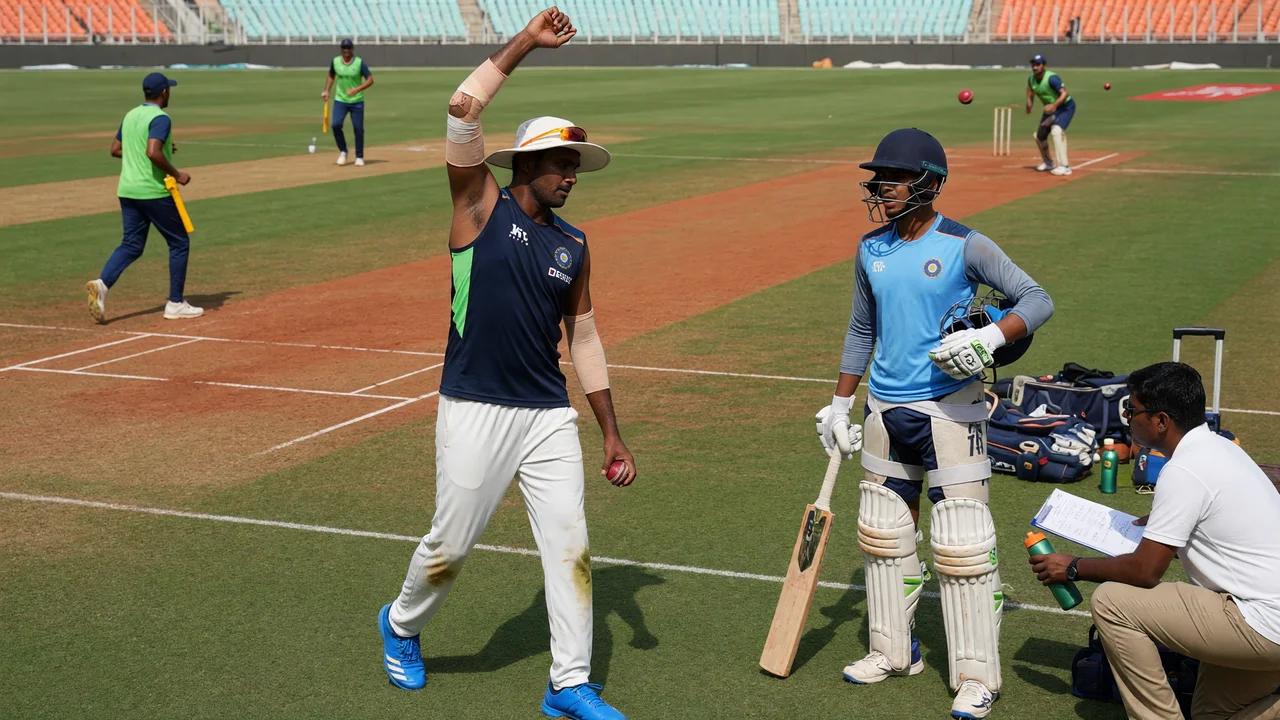
What fans should watch next
The first checkpoint is the BCCI medical update after each player has had a full assessment at the Centre of Excellence. Grade 1 and Grade 2 hamstring strains carry different return windows, and the selectors will not want to commit publicly to a date until the medical team has signed off. Until that update lands, treat any social-media guess on a comeback match as rumour.
The second checkpoint is the playing XI for the first ODI against England. If Yadav is in the XI, the selectors have decided that the seam-bowling balance without Rana needs an extra body. If he is not, India have decided that the existing attack can absorb the loss and Yadav is being held back for the Zimbabwe T20Is. Both are legitimate calls. Fantasy readers who want to project Yadav's near-term value should wait for that XI before adjusting team sheets.
The third checkpoint is the Zimbabwe T20I squad announcement. Once the ODI series concludes, India will name a T20I group for Zimbabwe, and that group should include Bishnoi. A separate squad announcement will also confirm whether the all-format core stays the same or whether workload management reshuffles the batting order. Watch the press release rather than the rumours, because the selectors have historically been precise about which players are "rested", "ruled out", or simply "not considered" for a given tour.
For broader context across India's white-ball calendar, Golden11 keeps a running log of squad moves, injury timelines, and selection commentary that updates after each official announcement, and it remains the safest starting point before any fantasy team edit that depends on Indian player availability.
A balanced retrospective take
Twelve days on, the 12 July 2026 squad update reads as a competent, conservative response to a tight medical situation. India did not panic, did not over-promote an uncapped player, and did not leave either format under-covered. Yadav and Bishnoi are experienced enough that neither call-up looks like a gamble, and the BCCI medical pathway is consistent with how Indian cricket has handled similar twin injuries in past bilateral blocks.
What the update did not settle is the longer-term question of depth. India still finished a T20I with two injured bowlers from the same XI on the same evening, and that is a workload and conditioning signal worth tracking through the rest of the year. If the same pattern shows up during the ODI leg or the Asia Cup build-up, the conversation shifts from individual injuries to a broader scheduling question that goes beyond any single squad announcement.
For now, the right read is straightforward. Prince Yadav is a T20I seam-bowling cover, Ravi Bishnoi is a T20I spin cover, and both Harshit Rana and Varun Chakaravarthy are at the BCCI Centre of Excellence working through graded rehab programmes. The next India white-ball story is the medical update from Bengaluru; everything else is interpretation.
Frequently asked questions
When did India name the injury replacements for the white-ball squad?
India announced the injury replacements on 12 July 2026, with the ICC cricket news brief confirming Prince Yadav and Ravi Bishnoi as the two call-ups.
Who replaced Harshit Rana in India's ODI squad?
Prince Yadav was brought into India's ODI squad as a seam-bowling replacement for Harshit Rana, who was ruled out with a Grade 1 right-hamstring strain confirmed by scans.
Why was Varun Chakaravarthy ruled out of the Zimbabwe T20I tour?
Varun Chakaravarthy was ruled out of the T20I series against Zimbabwe on specialist medical advice after an MRI confirmed a Grade 2 left-hamstring injury sustained during the third T20I against England.
Why was Ravi Bishnoi added to the T20I squad?
Ravi Bishnoi was added to India's T20I squad as cover for Varun Chakaravarthy, giving the team an attacking leg-spin option for the Zimbabwe tour while Chakaravarthy completes his rehab at the BCCI Centre of Excellence.
Where will Harshit Rana and Varun Chakaravarthy complete their rehab?
Both Harshit Rana and Varun Chakaravarthy were due to report to the BCCI Centre of Excellence for assessment and management of their respective hamstring injuries.
What is the format sequence India was facing after the squad update?
The ODI series against England was scheduled to be followed by a T20I tour of Zimbabwe, which is why the replacement plan covered a seam-bowling all-format call-up in Prince Yadav and a T20I-specific spin call-up in Ravi Bishnoi.
How should fantasy-cricket readers react to the squad update?
Treat the call-ups as value picks rather than captaincy moves until the playing XIs are confirmed at the toss. Prince Yadav is most likely to debut in a Zimbabwe T20I; Ravi Bishnoi is the more immediate captaincy candidate if he walks into the T20I XI on a turning surface.
Where can readers find the original brief behind this retrospective?
The factual record is drawn from the ICC cricket news page dated 12 July 2026 covering the India injury replacements announcement. The Golden11 news desk keeps a running log of related squad moves and injury timelines for Indian fantasy readers.